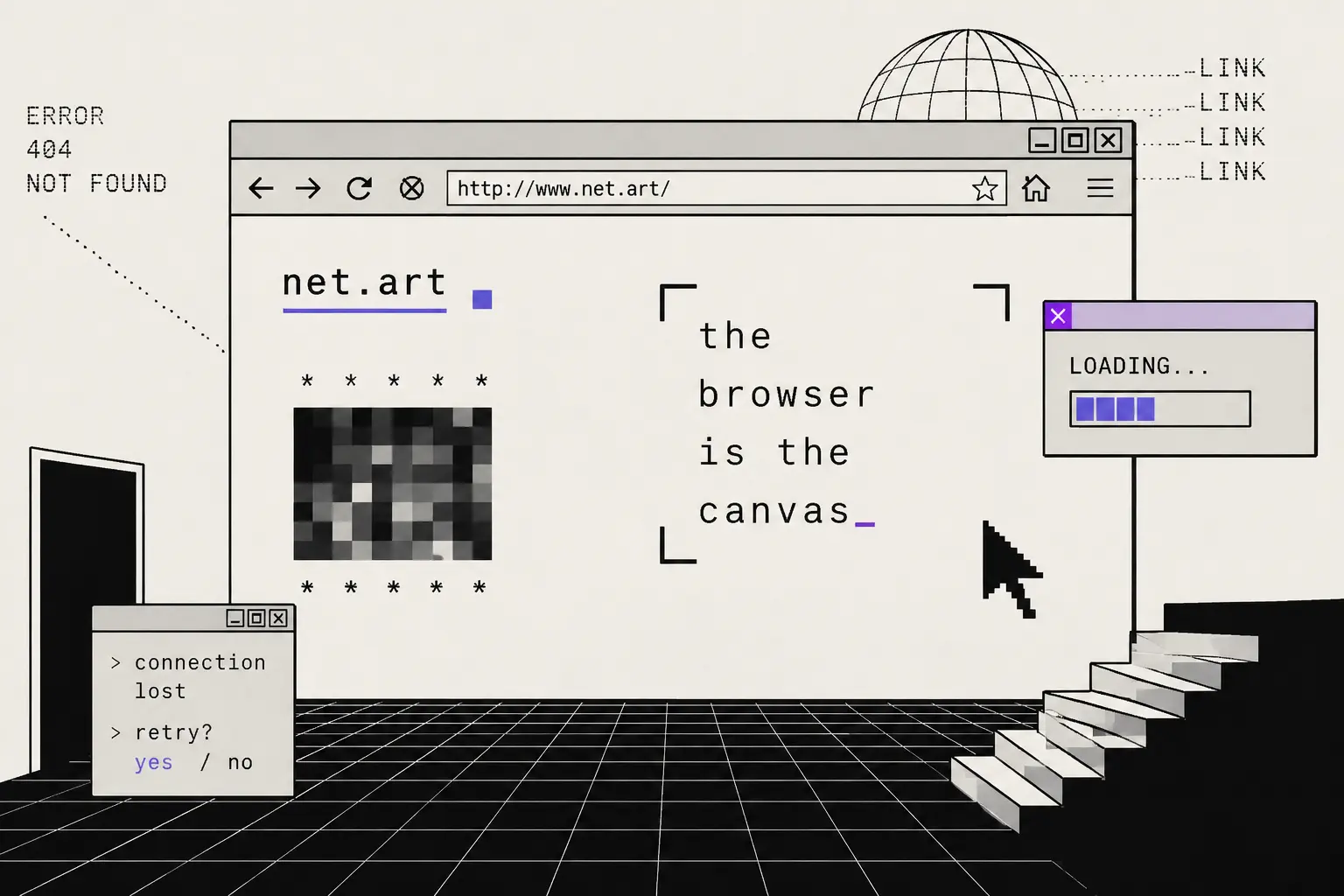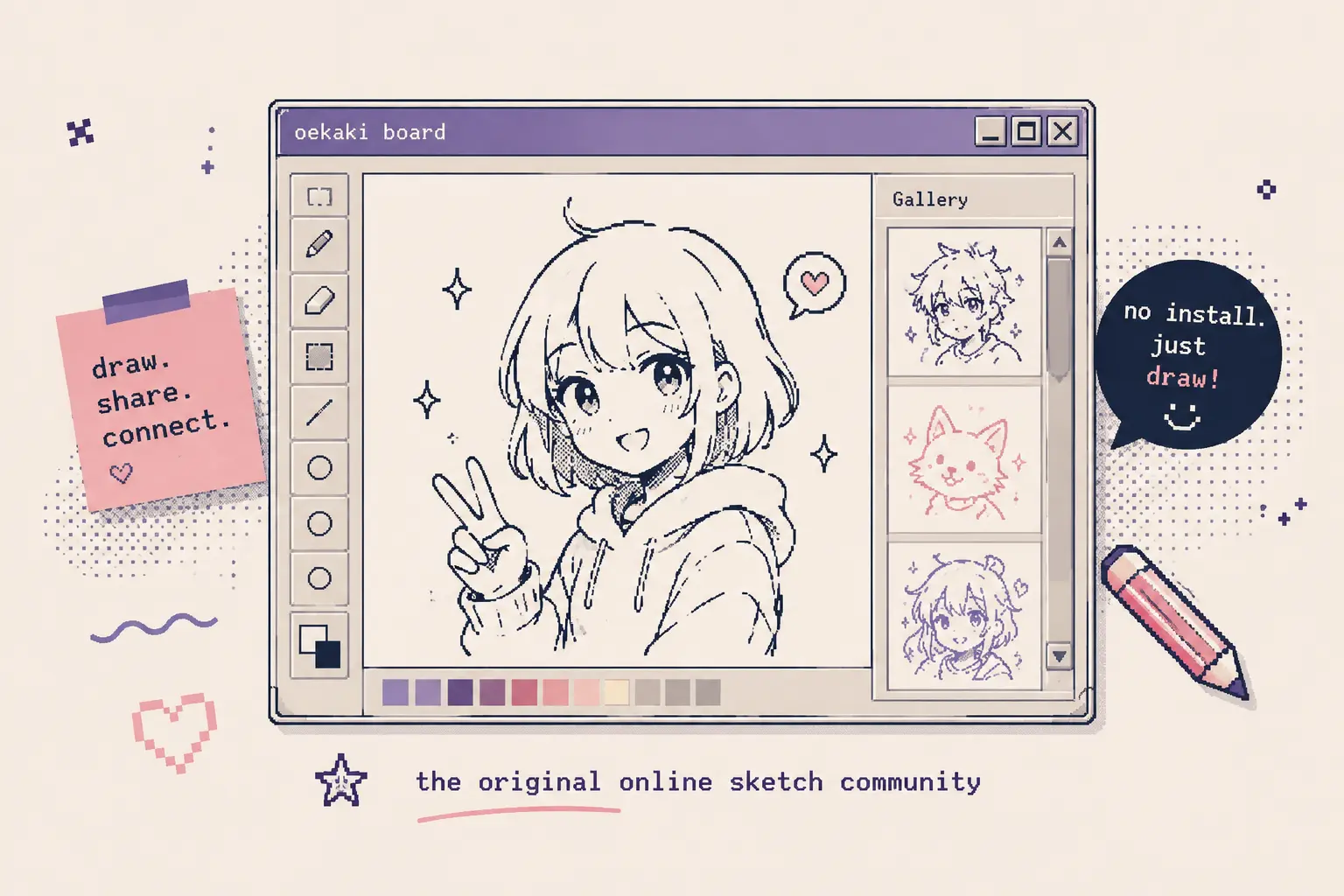
oekaki boards with a retro browser drawing canvas and online art gallery
Oekaki Board: The Drawing-and-Posting Forums Where Anyone Could Sketch in the Browser

An oekaki board is a forum that allows visitors to draw directly inside their browser and post the sketch straight to the gallery even without downloading any software. The word…

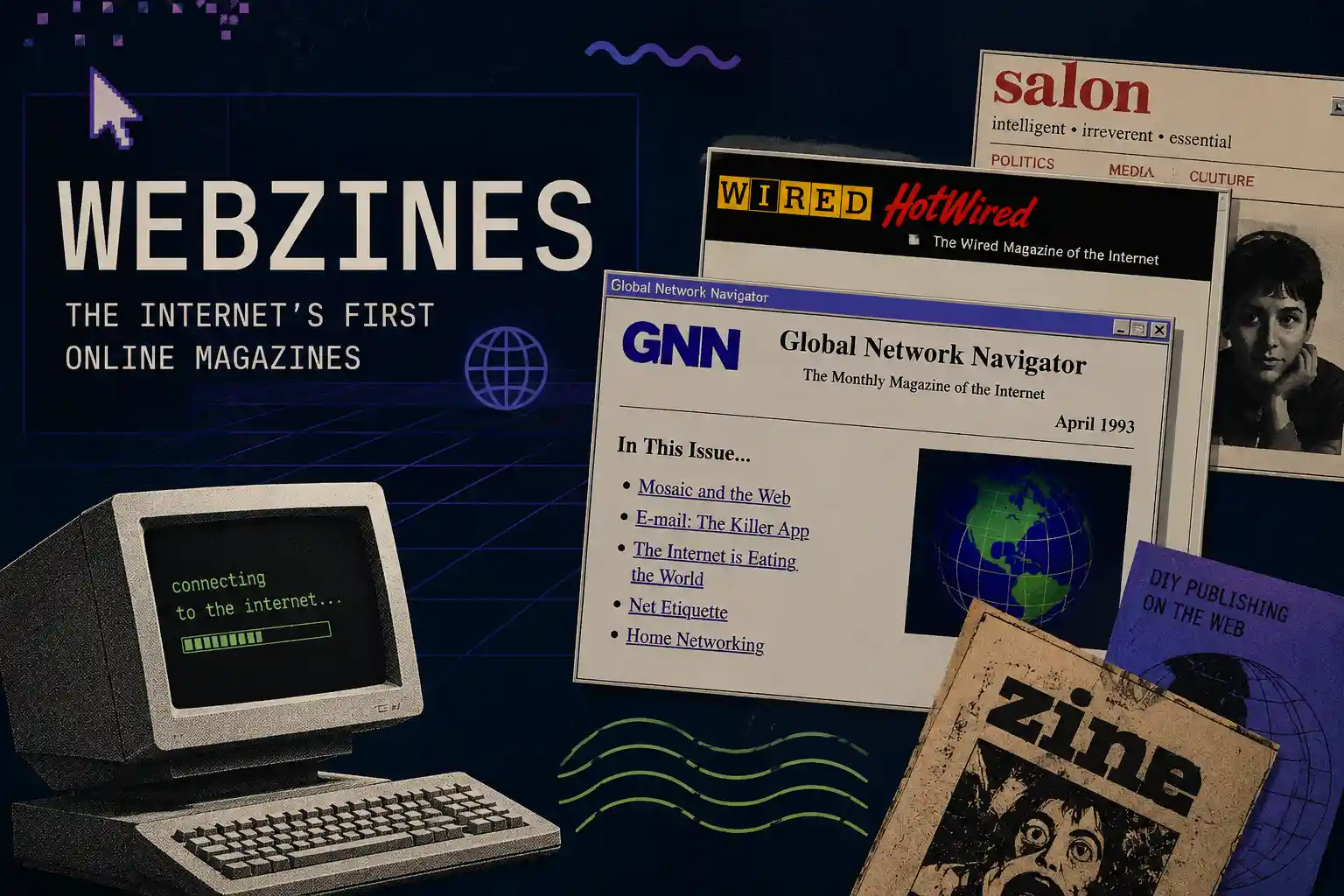
Retro illustration of Webzines featuring early online magazine websites and DIY web publishing webzine explained
Webzines: The DIY Online Magazines That Shaped the Early Web

Webzines are self-published online magazines built and edited like magazines rather than traditional-style blogs, and interestingly, they existed years before blogging became the internet’s default way to publish. Inspired by…

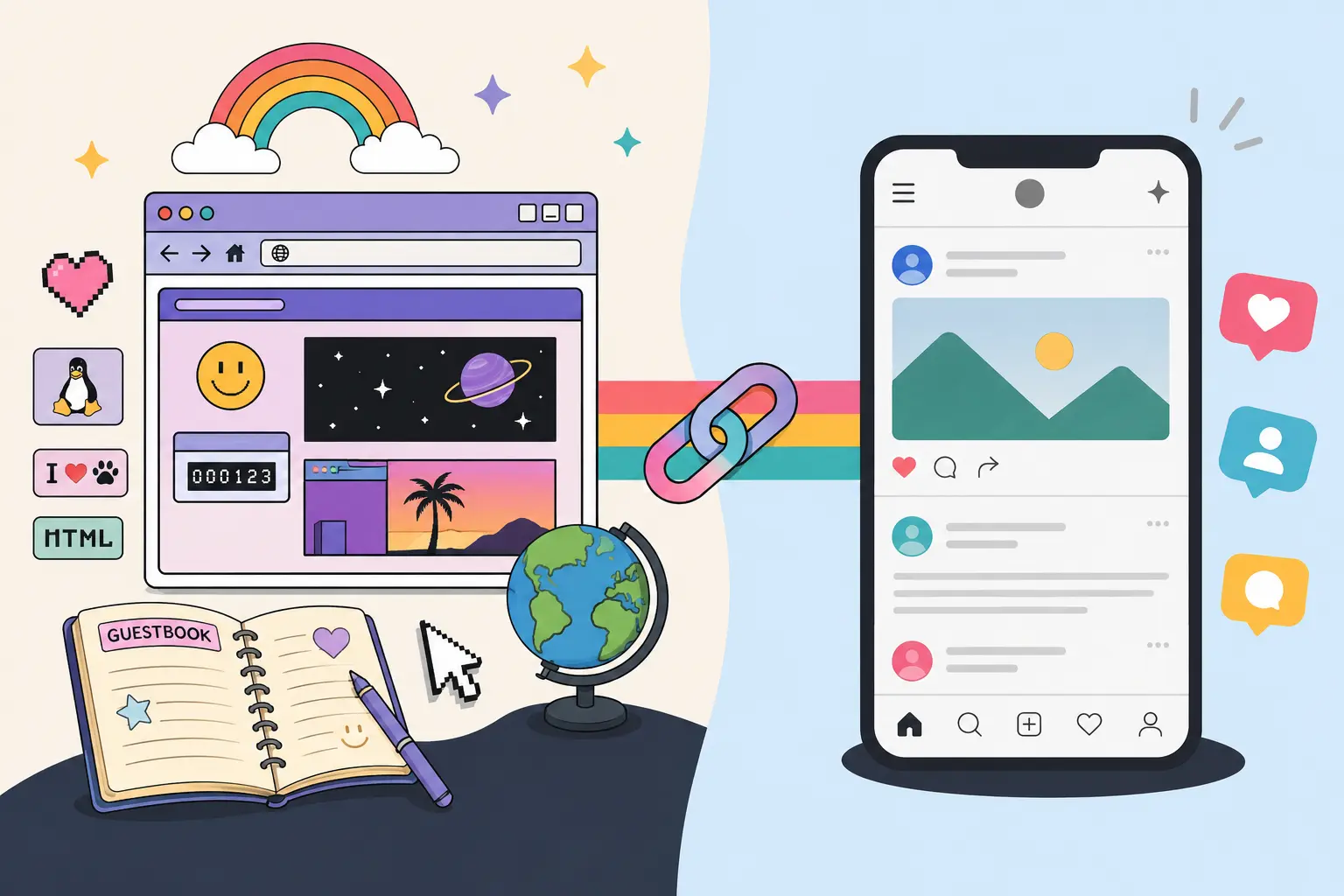
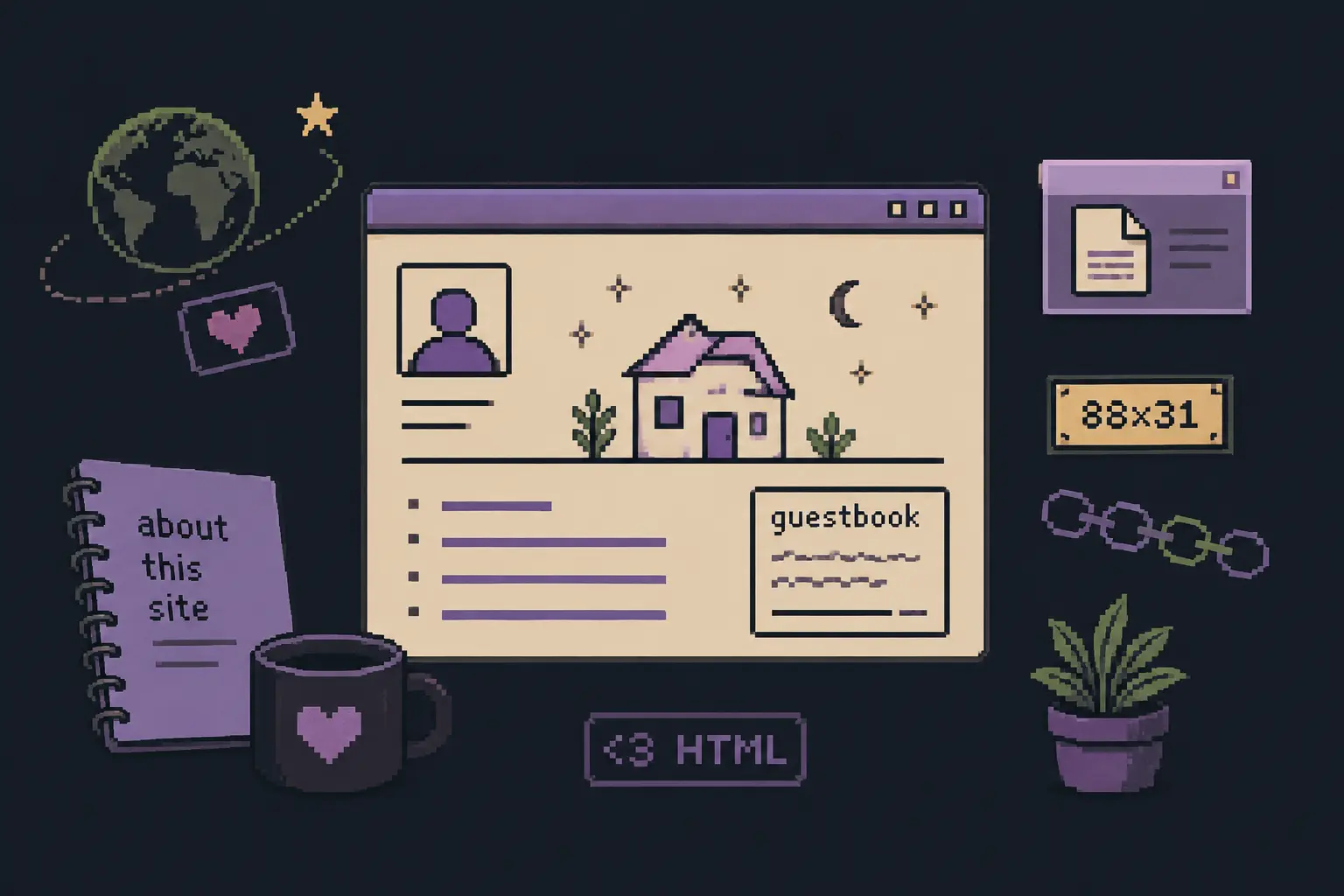
Minimal illustration of the Handmade Web with a hand-coded personal website, guestbook, and retro web elements
The Handmade Web: Why People Still Build Websites by Hand

The Handmade Web describes websites built by one person by hand, without using a template or modern AI systems. It names both a design philosophy and a real moment in…

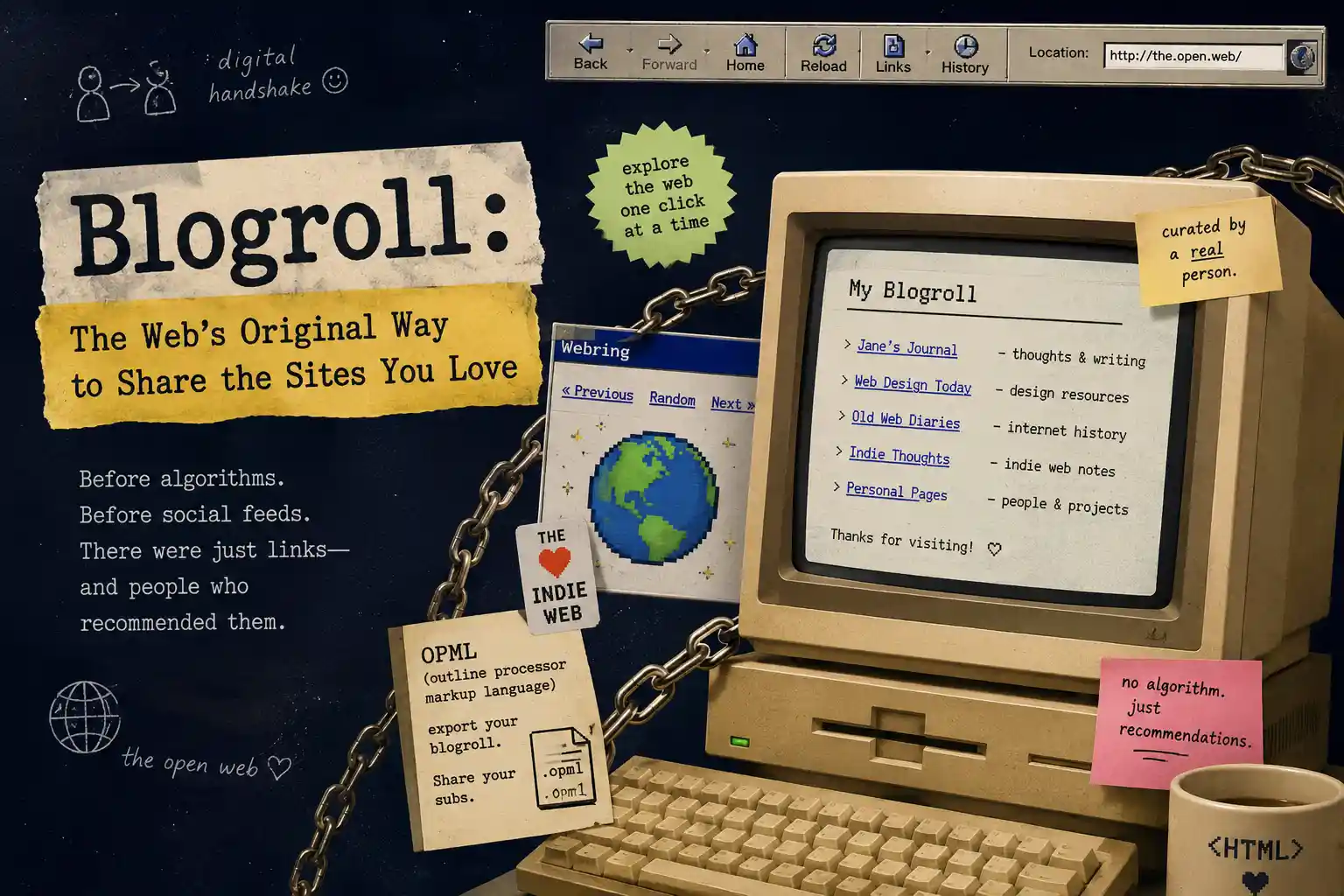
Blogroll illustration showing a retro computer with a curated list of websites, representing how blogrolls helped people discover blogs before social media. what is blogrolls
Before Social Media, Blogrolls Were How We Followed People Online

A blogroll is a list of links to other blogs or personal websites that a blogger reads, trusts, or recommends to others. It is usually seen on a website sidebar…

Illustration of Hypertext Fiction showing connected story nodes and branching paths that represent nonlinear digital storytelling through linked text.
How Hypertext Fiction Changed the Way We Read Stories

Hypertext fiction is a story built from linked chunks of text rather than a single fixed sequence of pages. Readers have a choice to click, and the path they take…

Last modified website illustration showing a retro webpage with a Last Updated footer and HTTP Last-Modified header.
Last Modified Website Footer and the Forgotten Culture of Early Websites

Scroll to the bottom of an old website, and you’ll see a small line: “Last updated: September 2001.” This was the last modified website footer. A single date showed whether…

Minimal illustration of a blog carnival showing a vintage computer connected to multiple blog posts representing collaborative blogging and link sharing.
Blog Carnival Explained (2026 Guide)

A blog carnival is a roundup post where bloggers submit articles from many different participating blogs, usually published on a rotating host schedule with a fresh shared topic each time.…

Illustration of a retro fanlisting website showing a global community of fans connected through a nostalgic early web interface.
Fanlisting Websites: Tiny Communities That Connected the Early Web

A fanlisting is a website dedicated to a single subject, created so fans around the world can easily add their name and country to a public list to show their…

Illustration of text only websites displayed on a retro computer terminal, representing the history and simplicity of the text-first web.
The Quiet World of Text Only Websites

Text only websites are pages built with almost no images, styling, or scripts, so they render as plain text, are easy to read, and load instantly. They are not a…

illustration of a website shoutbox sidebar chat widget on a retro personal website
Website Shoutbox: The Chat Widget Every Mid-2000s Website Had

A website shoutbox is a small embedded chat box that lets visitors post short, real-time messages on a website’s home page or inner pages. It became one of the most…

Retro illustration of 88x31 web buttons featuring pixel art examples inspired by GeoCities, Neocities, and the early internet.
88×31 Web Buttons: The Tiny Icons That Connected the Early Internet

An 88x31 web button is a tiny image that is exactly 88 pixels wide and 31 pixels tall, the website owners mainly used them for display and trade to link…

now pages example on a personal website showing current work and recent updates
What Are Now Pages Websites? The History, Structure, and Best Examples

A Now Page is a page on a personal website that is usually placed at the URL or Slug /now that answers a specific question, like what is this person…

interactive website example and unique websites
Fan Shrines: What They Are, How They’re Built, and Where to Find Them Today

Fan shrines are personal websites built by a fan to explore a single character, pairing, or piece of media in as much depth as they want. There is no algorithm…

Blinkie websites featuring animated GIF badges on a retro personal homepage
Blinkie Websites Worth Exploring

Blinkie websites are places where you can browse, collect, or generate blinkies, they are small animated GIF badges that once decorated personal homepages, MySpace profiles, and even forum signatures. A…

Digital garden website showing interconnected notes and ideas growing over time
What Is a Digital Garden Website and How Does It Work?

A digital garden website is a personal website organised around how ideas connect to one another, not around when they were published. Instead of our traditional blog feed sorted by…