Blog Carnival Explained (2026 Guide)
A blog carnival is a roundup post where bloggers submit articles from many different participating blogs, usually published on a rotating host schedule with a fresh shared topic each time. Before the tech giants like Facebook groups and X (Twitter), this is how independent bloggers found each other. If you wrote blogs between 2002 and 2012, there is a good chance you heard about it, or submitted one, or even wondered what a blog carnival was.
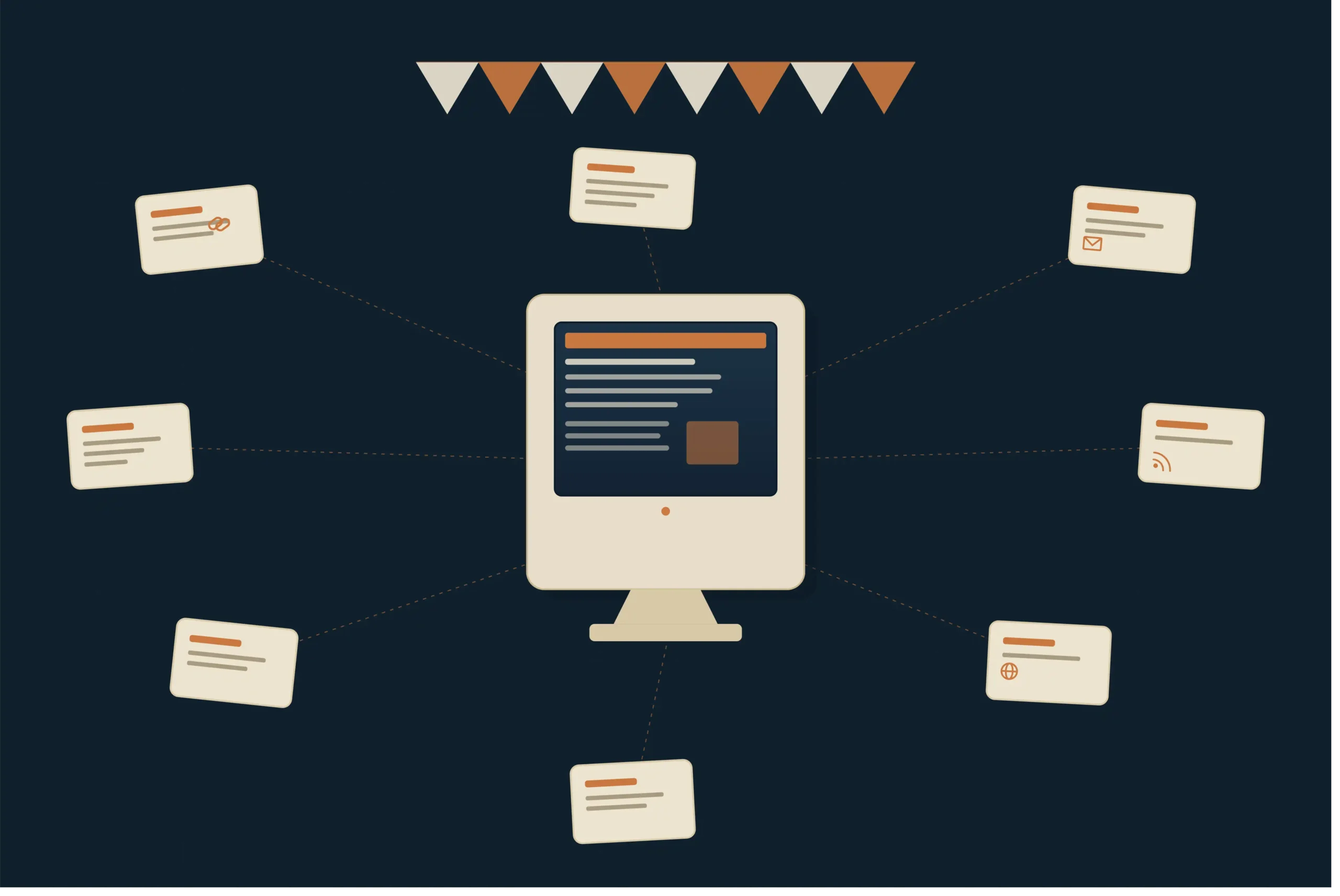
Bloggers submitted their articles to the host, the host wrote a short intro for each entry, and then the host published them together in a single blog carnival.
Table of Contents
What a Blog Carnival Actually Was
The blog carnival was simple, and a carnival was a simple mechanism built on collaborative blogging. Someone picked a topic, then other writers submitted a featured article based on the topic, and the host assembled all the submissions into a single post with a short introduction for each one.
This is not just a community event; it is a one-way announcement. It will help to discover new bloggers, readers and even leave comments there. For solo writers publishing their own blogs, it gives them a chance to increase their website traffic.
The blogging carnival came in two types. Some stayed with one host, closer to community blogging. Another type is a new blogger hosting each edition, moving traffic across the blogosphere every week, and helping readers discover new blogs and writers in the community.
How Submitting to a Carnival Actually Worked
| Step | What Happened |
| 1. Topic announced | The upcoming host picked a theme and set a deadline for that edition |
| 2. Submission | Bloggers emailed a link, or used a directory like to enter that week’s blog roundup |
| 3. Curation | The host read every entry and decided what fit, acting like an editor rather than a link collector |
| 4. Write up | The host introduced each guest contributor’s post with a line of commentary, turning it into curated articles |
| 5. Publish day | The edition went live, usually on a fixed weekday, with cross-linking back to every submitting blog |
| 6. Handoff | The host named the next host, keeping the rotation and the blogging tradition alive |
How Carnival of the Vanities Started the Whole Idea
The first blog carnival comes from a single post. In September 2002, a blogger known as Bigwig proposed the Carnival of the Vanities in his original launch post. That was an open call for bloggers to submit their best blog posts, collected into a single roundup post.
There is a main reason behind it. At the time, many bloggers wrote good articles, but very few people were reading them. Bigwig believed that bringing great blog posts together in one place would help more people discover them.
His reasoning was almost defensive. The idea spread fast through online communities looking for the same kind of content discovery. Within years, it was rotating between dozens of hosts and even passed its 150th weekly edition. Other bloggers copied the format for their own niches, and we will give credit to Silfaly Hraka every time. That simple idea changed the entire blogging ecosystem.
What a Carnival Edition Actually Looked Like
Look like archived editions make the format concrete. For example, the 125th installment of Carnival of Vanities introduced a feature to give the name and date. The blog was hosted by Coyote Blog in February 2005. After that, the host introduced each submitted article with a short description before linking to it.
In the 162nd edition, hosted by the blog Baboon Pirates, the host called himself the “Ringmaster” of the week’s “grandaddy of all Carnivals.” This shows that a blog carnival is just not a collecting blog links. Within the community, it was considered a mark of recognition and a small honor.
Carnivals vs. Webrings vs. Blogrolls
These 3 platforms are found on the old website and the new website, but the mechanics were different.
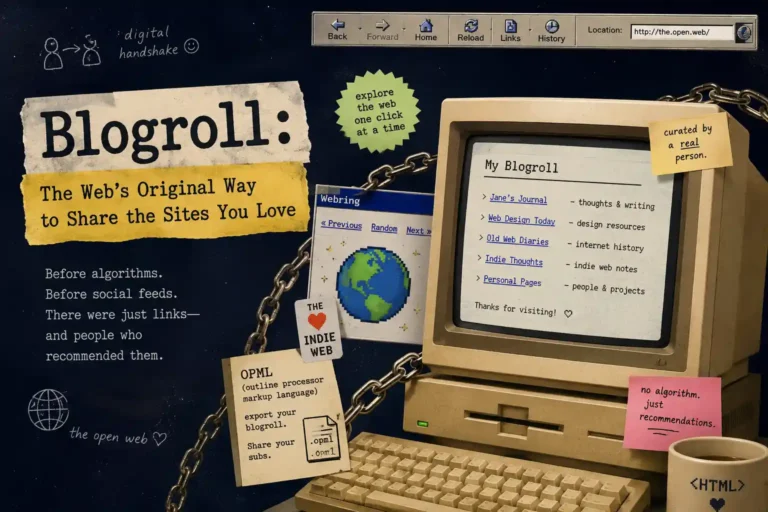
An internet webring connected sites permanently through shared navigation code, so if a user clicks the button, it will go to the next blog. A blogroll was a personal, static blog that could be controlled by the blogger. An internet guestbook allowed visitors to leave messages for the website owner. It was usually a one-time interaction.
Why the Format Worked
Blog carnivals solved a big problem. A good post from a small or unknown blogger had no option to reach outside. There were no algorithms, no recommendation engine, and no trending page. Blog carnivals became one of the best ways for small bloggers to gain traffic. Every host had a direct incentive to promote the edition, since their own site benefited too.
Why Blog Carnivals Disappeared
Blog carnivals did not collapse because the idea stopped working. Instead, they slowly disappeared when the internet evolved.
When X (Twitter) became popular, bloggers could share a new post instantly. There is no need to find and wait for the next blog carnival. Later, Facebook Groups became popular, and Reddit communities grew. This gave people a place for discussions and replaced the weekly collection of blog links that carnivals provided.
The biggest turning point, however, was the decline of RSS feed readers. Carnivals depended on readers who subscribed to many small blogs through feed readers and clicked through roundups to find new ones. In 2013, when Google Reader shut down, that habitual reading largely disappeared. By the early 2010s, most blog carnivals had disappeared and joined the wider list of forgotten websites.
FAQ
Do you need to run a blog to join a blog carnival?
Yes. Submissions were almost always a link to your own post, not a guest post for the host. The thing is to send readers back to your blog.
Can you still start a new blog carnival today?
Yes, some communities still organize blog carnivals even though they’re not famous nowadays. You simply need a topic, a submission method, and people who regularly write the articles.

Asif BC is a web developer with 2 years of professional experience in website development and modern web technologies. As the creator of Curiouxify, he researches and writes about interactive websites, internet history, browser experiments, digital culture, and the evolution of the web. His articles combine technical knowledge with careful research to document the creative and lesser-known corners of the internet.