
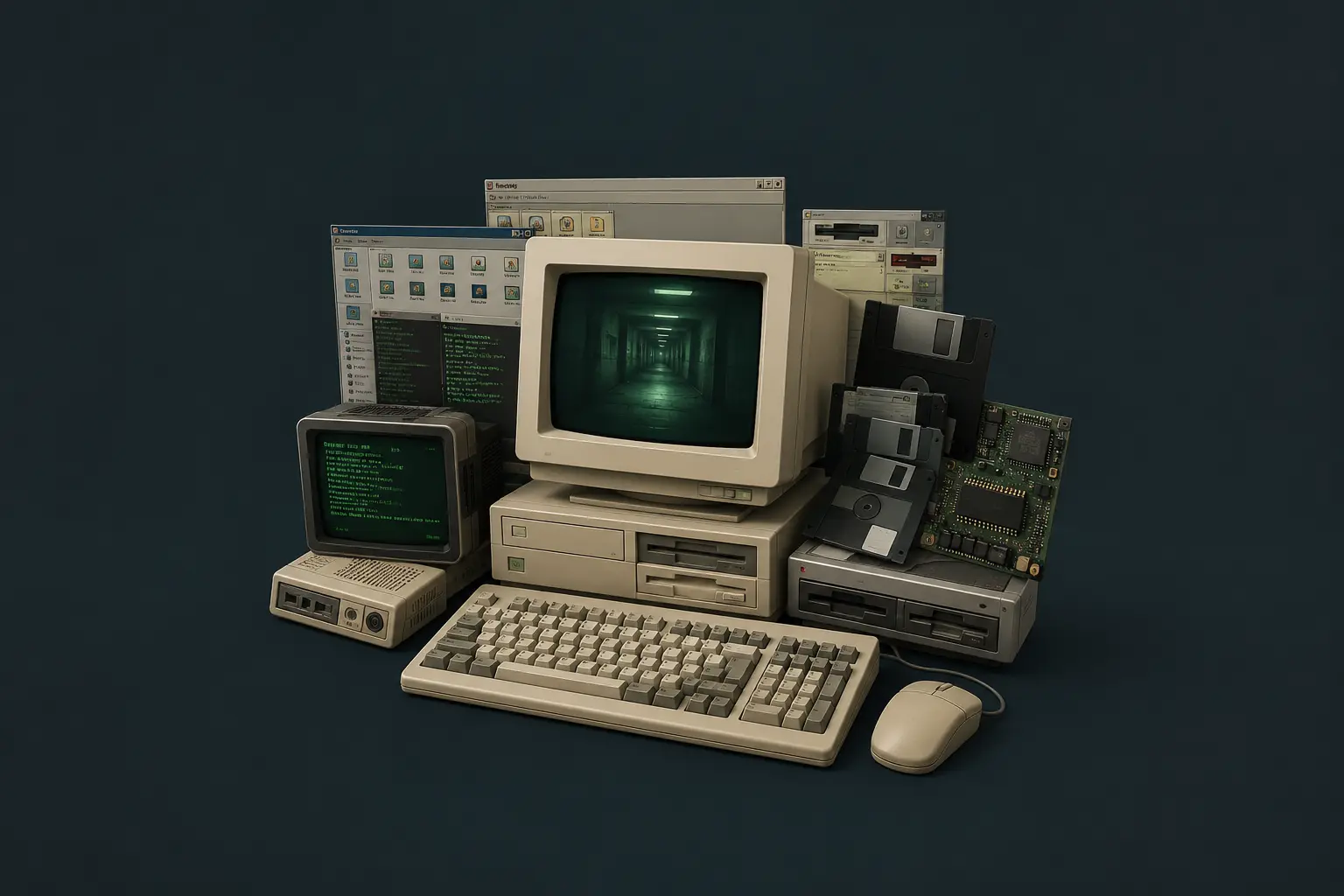
Some websites feel so strange and immersive that they barely feel like normal parts of the internet anymore. They feel like abandoned operating systems left running in empty digital spaces filled with fake terminals (black screen), forgotten desktop interfaces, eerie navigation, and hidden interactions that make users feel like they are accessing something that they were never meant to see. These surreal websites and fake operating system websites create immersive digital environments that feel strangely real.
These surreal browser experiences are becoming increasingly popular because they create immersion instead of convenience. Unlike traditional websites that focus on speed and usability, these experimental websites intentionally create mystery, nostalgia, and psychological tension. Exploring these websites feels like digitally trespassing through forgotten computer systems and retro desktop environments.
Table of Contents
Digital Surrealism Is Changing Web Design
The rise of digital surrealism has changed how many developers approach web experiences. Instead of focusing only on speed and functionality, some designers intentionally create websites that feel dream-like, isolated, or psychologically immersive.
These experiences often include:
- fake operating systems
- terminal-style navigation
- eerie sound design
- glitch effects
- abandoned desktop aesthetics
- hidden interactions
This type of immersive web design has become increasingly popular across creative coding communities and internet culture spaces. In the United States, retro computing aesthetics and liminal digital art have gained major attention through gaming communities, analogue horror content, and nostalgic online trends.
What makes these experiences more powerful is familiarity. Most people instantly recognise old system windows, startup screens, or terminal interfaces. Even though these systems are fake, the brain still treats them like real environments.
1. Windows 93
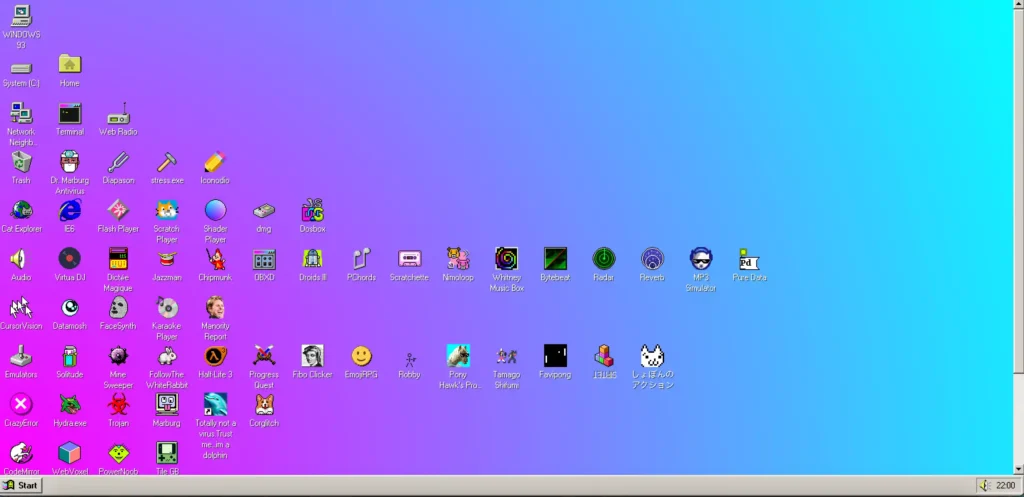
Visit: https://www.windows93.net
Windows93 is one of the best examples I found on the internet. This fake operating system website imitates an old desktop environment, but everything feels intentionally chaotic and unstable. It feels like exploring a chaotic version of 1990s computer culture. Programs open unexpectedly, hidden files appear in strange places, and the interface constantly surprises the user. Instead of a normal website, it feels like someone abandoned a system from another timeline.
This is where websites that imitate retro desktop environments become addictive. Every interaction creates curiosity because users never know what will happen next.
2. Terminal 00
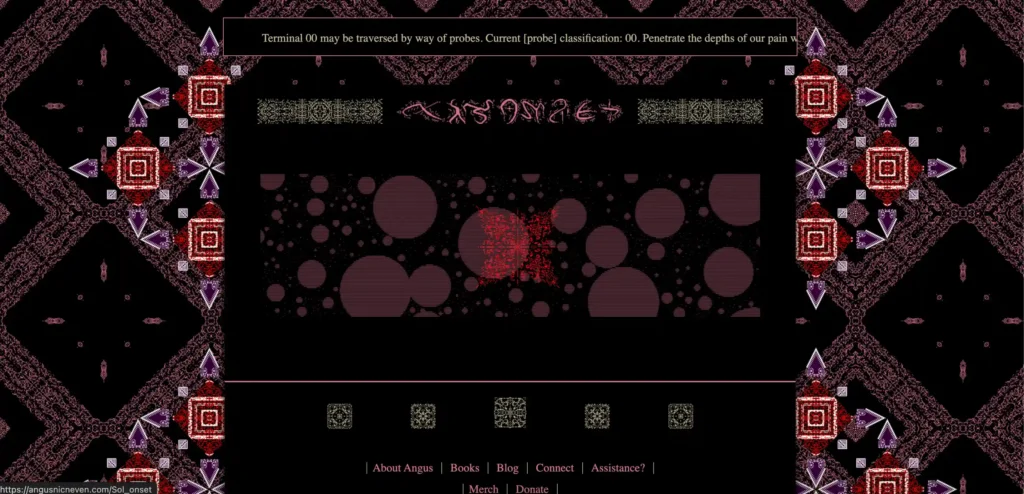
Visit: https://angusnicneven.com
Terminal 00 feels like browsing a website and more like entering a hidden network that doesn’t explored well. The navigation is surreal, fragmented, and intentionally disorienting. The deeper users move into the experience, the more it feels like abandoned digital architecture. In my opinion, this is one of the strongest examples of browser experiences that resemble abandoned interfaces.
Many people describe the experience as strangely immersive because it creates uncertainty. There are no clear instructions, no obvious goals, and mainly no predictable structure. This unpredictability makes the experience more immersive.
As someone who regularly explores creative coding projects and immersive web experiences, I have noticed that the most memorable websites are rarely the most practical ones.
3. LHOHQ
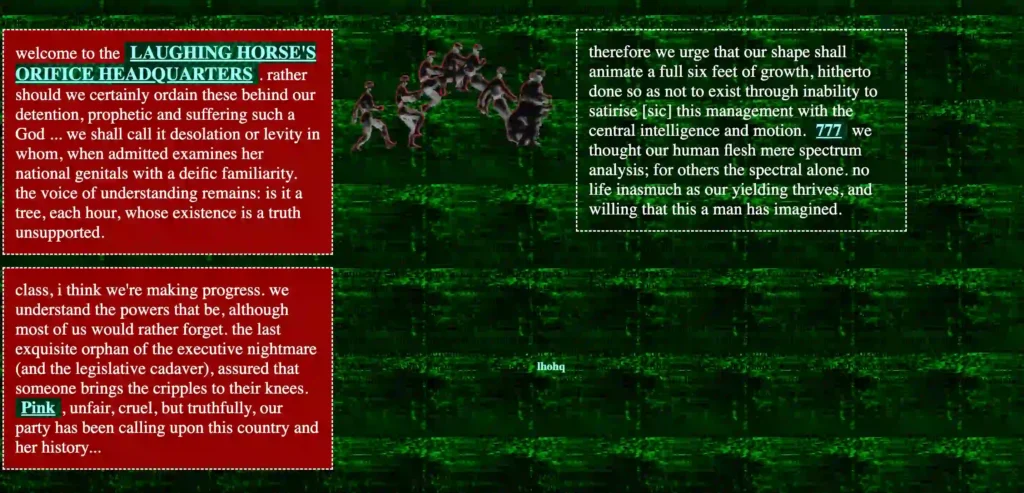
Visit: https://lhohq.info/lhohq.html
LHOHQ is one of the most unsettling examples of creepy websites online. The site combines strange visuals, disturbing navigation, and fragmented storytelling to create an experience that feels psychologically uncomfortable. If you’re under 18, we don’t recommend this one to you. Unlike traditional dynamic websites, the goal is not usability. The real goal is immersion.
This style of surreal websites that feel strangely real works on the first page, but feels incomplete and unstable. Humans naturally want to understand mysterious environments, so their brains keep searching for meaning, even when the experience becomes confusing.
That psychological tension is one reason these immersive browser websites become so addictive.
4. Hackertyper
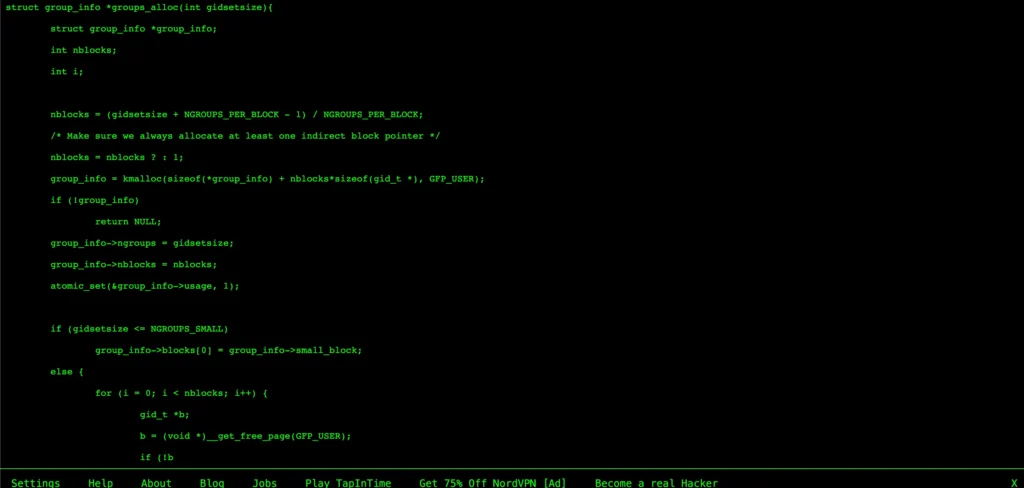
Visit: https://hackertyper.net
This one uses fake terminal interactions to simulate hacking activity. Even though the website is playful, it still creates the illusion of accessing a restricted system. The experience when I using this website feels like a Hacker. This creates the feeling of control and realism, even though everything is simulated.
Many modern browser experiments with operating system aesthetics use this same strategy:
- realistic interface reactions
- system-style typography
- terminal animations
- hidden commands
- simulated data systems
These elements create a stronger emotional response than traditional website layouts. If you have a nephew, this is the best website to show them how to think like you’re something in the digital world.
5. Poolsuite FM
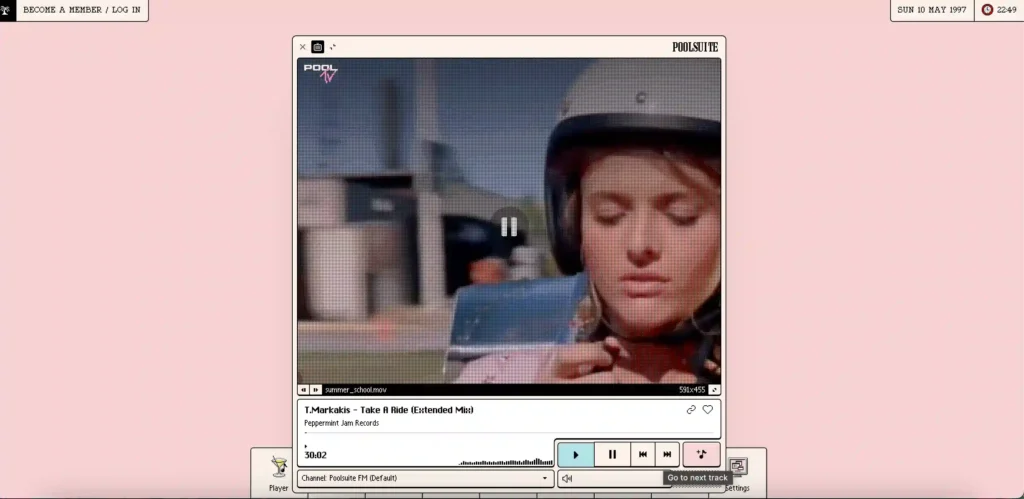
Visit: https://poolsuite.net/
This site is a completely different approach. Instead of feeling unsettling, the website feels nostalgic and dream-like. The retro interface, desktop-inspired design, and old-computer-inspired visuals create a relaxed digital atmosphere that feels separated from the modern internet. After researching some websites, I found that this is one of the best examples of immersive web design using nostalgia rather than fear.
This shows how surreal websites can create different emotional experiences while still using similar interface techniques.
Why These Experimental Websites Feel Addictive
Many of these experimental websites feel addictive because they create uncertainty and discovery. Unlike our traditional websites, they do not immediately reveal everything to the user. Instead, they encourage exploration through:
- hidden interactions
- mysterious interfaces
- fragmented storytelling
- strange visual design
- surreal navigation patterns
This creates a loop of curiosity where users continue exploring because the experience feels alive and unpredictable. If you’re a fan of interactive websites, then I have already published a blog regarding interactive websites explained with a real example.
The internet is filled with efficient websites, but people often remember these types of websites that feel emotional, immersive, or psychologically immersive. That is why websites that feel like hidden computer systems continue gaining popularity across internet culture communities.
FAQ
Why do websites inspired by operating systems feel immersive?
These websites use vintage desktop elements, terminal interfaces, and retro system aesthetics that make users more engaged.
Why are surreal websites becoming more popular?
Many users are becoming tired of predictable modern websites, such as Three.js and WebGL websites, but surreal websites create emotional and memorable experiences that feel different from traditional browsing.
Are creepy websites intentionally designed to feel unsettling?
Yes. Many creators use sound, interface design, visual distortion, and unusual navigation to create a psychological immersion and curiosity.

Asif BC is a web developer with 2 years of professional experience in website development and modern web technologies. As the creator of Curiouxify, he researches and writes about interactive websites, internet history, browser experiments, digital culture, and the evolution of the web. His articles combine technical knowledge with careful research to document the creative and lesser-known corners of the internet.