
Before social media turned every profile into the same polished template, the Personal Homepage Era gave people complete freedom to build anything they liked. These old personal websites were filled with weird HTML layouts, music players, visitor counters, and glitter GIFs that somehow made the web feel more human than it does today.
Long before social media trends took over, people used to create a homepage website to share their creativity, fan obsessions, online diaries, anime collections, and even random thoughts across the world. In the early days of the internet, before social media, nobody cared about perfect design or polished layouts.
Table of Contents
What Was The Personal Homepage Era?
Most web pages from the early internet era look completely different from our modern web pages. Bright neon backgrounds, animated GIFs, scrolling text, and autoplay music appeared almost everywhere online. Many of them added guestbooks, custom cursors, and “Under Construction” signs just to make their pages feel more interactive and alive.
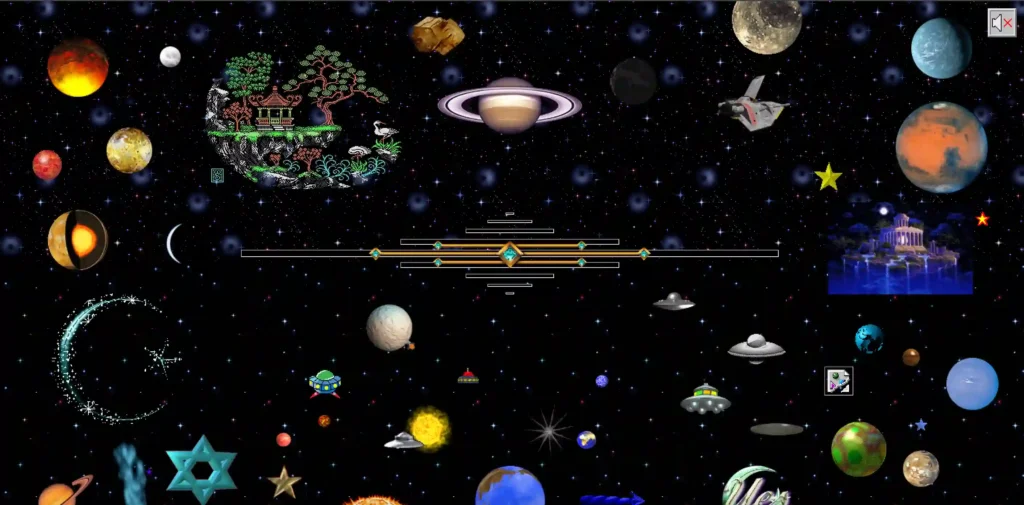
Link: https://www.cameronsworld.net/
Some of these websites were difficult to navigate because of their strange design. During the internet before Facebook period, people cared more about creativity and personality than professional design. Browsing these sites felt unpredictable because the web feels more personal and memorable than modern social platforms.
Why People Spent Hours Creating Random Pages Online
During the rise of the early internet culture, creating a personal webpage was not about getting followers or building a unique brand. People needed a space to talk about their creativity without any restrictions. Some pages were dedicated to underground bands, gaming clans, horror movies, and anime characters that made absolutely no sense to outsiders. Unlike today’s dynamic websites, these spaces felt unpredictable because only the creator truly understood the design.
Many users experimented with custom fonts, strange background patterns, music players, and long blocks of personal text just because they could. Exploring this internet era felt like walking through hidden digital rooms filled with personality, creativity, and complete randomness.
Why Everyone Wanted Their Own Website
During the late 1990s and early 2000s, creating a personal website felt like owning a small room on the internet. Many teenagers spent hours editing the HTML code, changing background colors, uploading GIF collections, and customizing pages late into the night. Some of them even shared links to their pages in chat rooms and online forums to get more visitors.
For many people, these websites became part of their online identity long before social media dominated the web. Discovering these old fan pages often felt more rewarding because every page felt unique and difficult to predict.
You can get most of the old pages through https://archive.org/
After discovering archived pages from that era through Wayback Machine, it becomes easier to understand why so many people still feel nostalgic about these sites. Entering one of these forgotten websites feels like stepping into someone’s personal digital world. Even a weird website carried a strange sense of authenticity that modern websites rarely recreate today.
What Old Personal Websites Actually Looked Like
Opening an old personal page often felt like stepping into a new world. Instead of minimal layouts and user-friendly webpages, these pages were packed with colorful sidebars, pixel icons, animated buttons, and oversized text covering almost the entire screen. Many developers treated their websites like digital rooms where every image, link, and background reflected a specific obsession or personality.
Navigation during the Web 1.0 websites era was also very different from what people see today. Some pages contained an endless list of hyperlinks, hidden sections, fan shrines, downloadable wallpapers, or dozens of screenshots. Users never really knew what they would discover next, which made browsing feel more exciting and unpredictable, which made browsing feel more like exploring random corners of the internet rather than today’s algorithm-driven content.
One reason I notice is that websites in the 1990s had no engagement tricks, brand-focused layouts, or mobile controlling the experience. Even pages with broken text and images felt authentic because creators were simply experimenting online during the rise of the internet before the social platforms era.
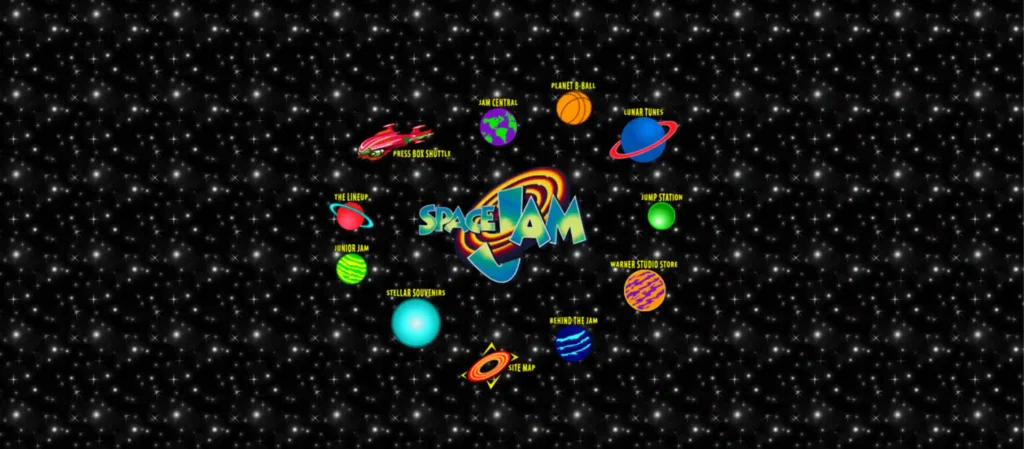
Visit: https://www.spacejam.com/1996/
The Strange Culture Behind Early Personal Websites
The culture surrounding these pages is often strange, personal, and completely unpredictable. Many creators given a guestbook where visitors could leave random messages on it. Some people built entire sections dedicated to conspiracy theories, fan fiction, paranormal stories, or niche hobbies that were difficult to find at that time. That unusual side of the web became a major part of the early online communities era.
Before recommendation algorithms existed, people found new pages through webrings, forum sections, chatrooms, and link exchanges shared between friends or fandom groups. Exploring these hidden gems felt more personal than today’s internet because every click led somewhere unexpected within the growing underground internet culture of that time period. Even some of these websites are now visited by nobody anymore.
After spending time browsing archived fan pages and forgotten communities from that period of time, one thing I notice is that people interacted online very differently back then. Conversations felt slower, websites felt more personal, and internet friendships often grew through repeated visits to the same pages over time. This is the reason why people still remember the old communities of the early web.
Why The Personal Homepage Era Disappeared
The Personal Homepage Era slowly disappeared when social media platforms created faster content based web, easier to access, and more standardized. Instead of learning HTML or customizing layouts manually, people could easily build online profiles within minutes using Facebook, MySpace, Tumblr, and other platforms.
Over time, the whole internet shifted away from personal creativity to algorithm-driven feeds, polished templates, and engagement-focused content. Another thing was that the rise of smartphones and modern web design also changed the whole aspect of the internet. Many old pages were difficult to navigate, not mobile-responsive, and were not designed for fast scrolling. As companies began prioritizing cleaner interfaces and user retention, the era of the Personal Homepage slowly disappeared.
Why People Still Miss The Old Internet
Many people still miss the old internet nostalgia era because the internet once felt more personal and unpredictable. Instead of scrolling through algorithm-controlled feeds filled with similar content, users explored strange websites built by real people rather than today’s AI technology. Even badly designed sites carried authenticity, which made browsing feel more human and memorable during the rise of the internet before the algorithm culture.
FAQ
What was the Personal Homepage Era?
The era started during the late 1990s and early 2000s when people created their own small websites using HTML, free hosting platforms, and personal creativity.
Why did old personal websites look so chaotic?
Most developers experimented with free colors, GIFs, music players, scrolling text, and custom layouts without following any design standards.
What happened to personal homepage websites?
Many personal pages disappeared after the entry of social media platforms like Facebook and MySpace.

Asif BC is a web developer with 2 years of professional experience in website development and modern web technologies. As the creator of Curiouxify, he researches and writes about interactive websites, internet history, browser experiments, digital culture, and the evolution of the web. His articles combine technical knowledge with careful research to document the creative and lesser-known corners of the internet.