
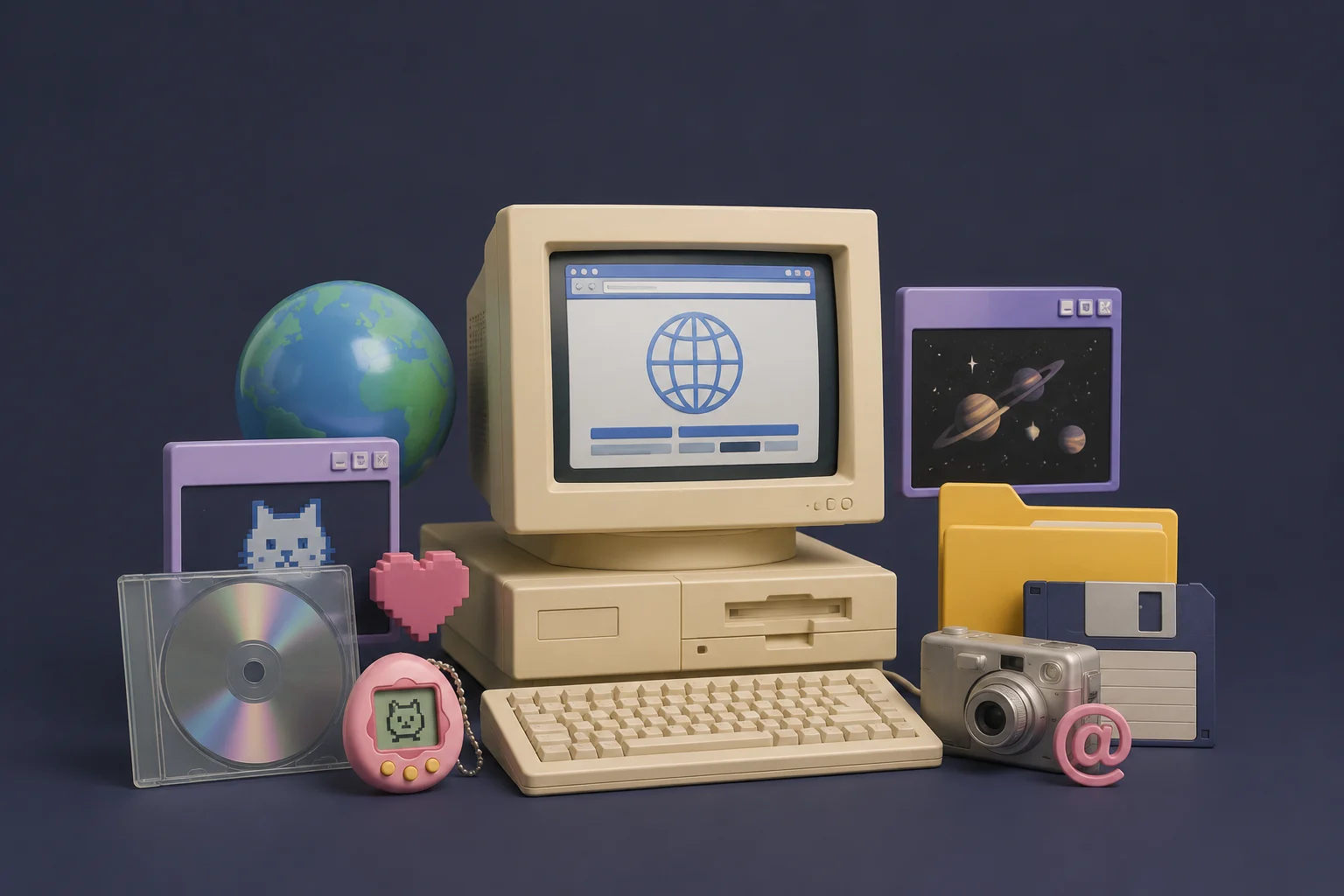
Ugly websites made the internet feel alive because they were unpredictable, personal, and built by humans, rather than polished systems. Before modern templates and social media feeds took over the internet, the old internet was filled with colorful fan pages, flashing GIFs, MIDI music, and experimental ideas that made browsing feel exciting.
Even though many of these retro websites and those from the 2000s looked messy, people still remember them because they gave the web a personality. I personally enjoyed some colorful sites in my childhood days. That emotional connection is something many modern websites struggle to recreate today.
One issue with modern websites is that they feel repetitive and similar in layout. In the early internet era, websites were often built by students, gamers and curious people by learning basic HTML and CSS. Those imperfect pages became a part of internet nostalgia, especially for people who grew up exploring the web.
One thing I noticed is that many users today still search for old websites, old internet websites, vintage internet pages and forgotten online experiences because people still miss those kinds of websites.
Table of Contents
Why Ugly Websites Feel More Personal
One reason ugly websites became memorable is that they reflected the personality of the person who created the website. A normal teenager running an anime fan page website, a gamer building a website, or someone creating UFO-based websites was normal in that period of time.
There were no strict design systems forcing every page to look the same. That freedom made the old website feel handmade and human. Many of these were essentially handmade websites from the 2000s, built for fun instead of profit. Websites did not need to look professional to be interesting. Sometimes, a weird design website was the reason people remembered them.
The early internet was an experiment in ways modern dynamic websites rarely do. People used blinking text, rainbow backgrounds, animated cursors, and even background music to thier websites.
While modern UX experts would call those things bad design or ugly websites. But they helped to create emotional memories tied to the old internet and explain why old websites felt more human.
Even in the United States, many early personal websites from places like California and New York became iconic because they represented internet culture before big tech giants standardized everything. That sense of individuality is the reason why many users are still connected to vintage website design and older web aesthetics today.
Why the Modern Internet Feels Different
Modern websites are usually focused on speed, clarity, and optimisation. Businesses rely on templates, analytics, and conversion-focused layouts because users expect clean UI interfaces across phones, tablets, and desktops. Scroll through enough websites today, and many websites start to feel visually identical.
The same minimal layouts, white backgrounds, modern fonts, and predictable interfaces appear everywhere, replacing the retro internet aesthetics that once made browsing unique.
The early internet often felt like exploring hidden rooms created by strangers around the world. Finding these types of websites is some people’s strange hobby. Today, the internet has changed a lot, as algorithms guide most browsing experiences through feeds, recommendations, and even our search results.
That is one reason why old internet nostalgia and old web design nostalgia continue to grow online. People are not only visiting these websites for nostalgia, but they also miss when the internet itself felt more creative, weird, and personal.
Ugly Websites People Still Remember
Most of the famous old internet aesthetic websites are still remembered today because they capture the energy of the early web. As I said, these sites may not follow modern design rules, but they became part of internet history because they felt experimental and unpredictable.
1. GeoCities Personal Pages
GeoCities became one of the most iconic symbols of the old Internet and early Internet website design. People created colorful homepages filled with animated GIFs and tiled backgrounds.
One of my favourite themes was space-related websites. Vintage archives can still be explored through Cameron’s World.
2. Old Anime Fan Websites
In the early 2000s, anime fan pages often used bright text, sparkling graphics, and looping MIDI music. These websites were usually built for hardcore fans.
Despite their chaotic design, they created strong online communities and became a memorable part of early internet culture.
3. Flash Intro Websites
Many retro websites built with Flash opened with dramatic animations, sound effects, and interactive intros. While newer-generation users might consider them slow or unnecessary, those experiences made browsing feel immersive.
4. Visitor Counter Websites
Hit counters and guestbooks became iconic parts of the old web. Seeing “You are visitor #1069” made websites feel active and interesting.
Instead of making money from websites, owners simply enjoyed seeing that someone visited their page.
5. Weird Hobby Websites
I did some research on this and found that most ugly websites came from niche hobbies and strange interests. UFO webpages, paranormal theories, gaming clans, and conspiracy forums often used chaotic layouts and outdated HTML. These websites created a sense of curiosity that modern websites rarely capture.
The rise of modern design standards improved usability, yet it also erased old visual weirdness that once made the internet exciting to explore. That is why ugly websites were fun because they felt unpredictable and personal instead of optimized and repetitive. This explains why people miss ugly websites and why they continue to matter in conversations about internet culture, digital nostalgia, and the evolution of online creativity.
FAQ
Why do people still like ugly websites?
People still like ugly websites because they feel creative and unpredictable. Many users associate them with the freedom and individuality of the early internet.
What made old websites different from modern websites?
Older websites were often handmade and experimental, while modern website follow standardized layouts and optimization focused.
Why are retro websites becoming popular again?
Interest in retro websites is growing because many users miss the personality, nostalgia, creativity, and sense of discovery that existed during the early internet era.

Asif BC is a web developer with 2 years of professional experience in website development and modern web technologies. As the creator of Curiouxify, he researches and writes about interactive websites, internet history, browser experiments, digital culture, and the evolution of the web. His articles combine technical knowledge with careful research to document the creative and lesser-known corners of the internet.