Last Updated: December 30, 2025
By 2035, robots in daily life will become fully integrated into our homes, workplaces, and public spaces. Instead of doing small tasks, they will manage cooking, safety, emotional support, and daily planning. This will create a connection between robots and humans.
According to Bernard Marr, there will be 13 million humanoid robots there in 2035.
Robots Will Blend Naturally Into Our Routines
After I read some articles related to this, the future of robots in daily life is moving toward complete automation. Robots will learn our habits, study our patterns, and adjust themselves automatically. With growing AI advancement there will no longer be a need for instruction; they will act based on your needs.
For example, imagine a robot may start coffee at your usual time or dim the lights when you are going to sleep. These small improvements will completely change daily comfort and efficiency.
How Robots Help Us in Our Daily Lives
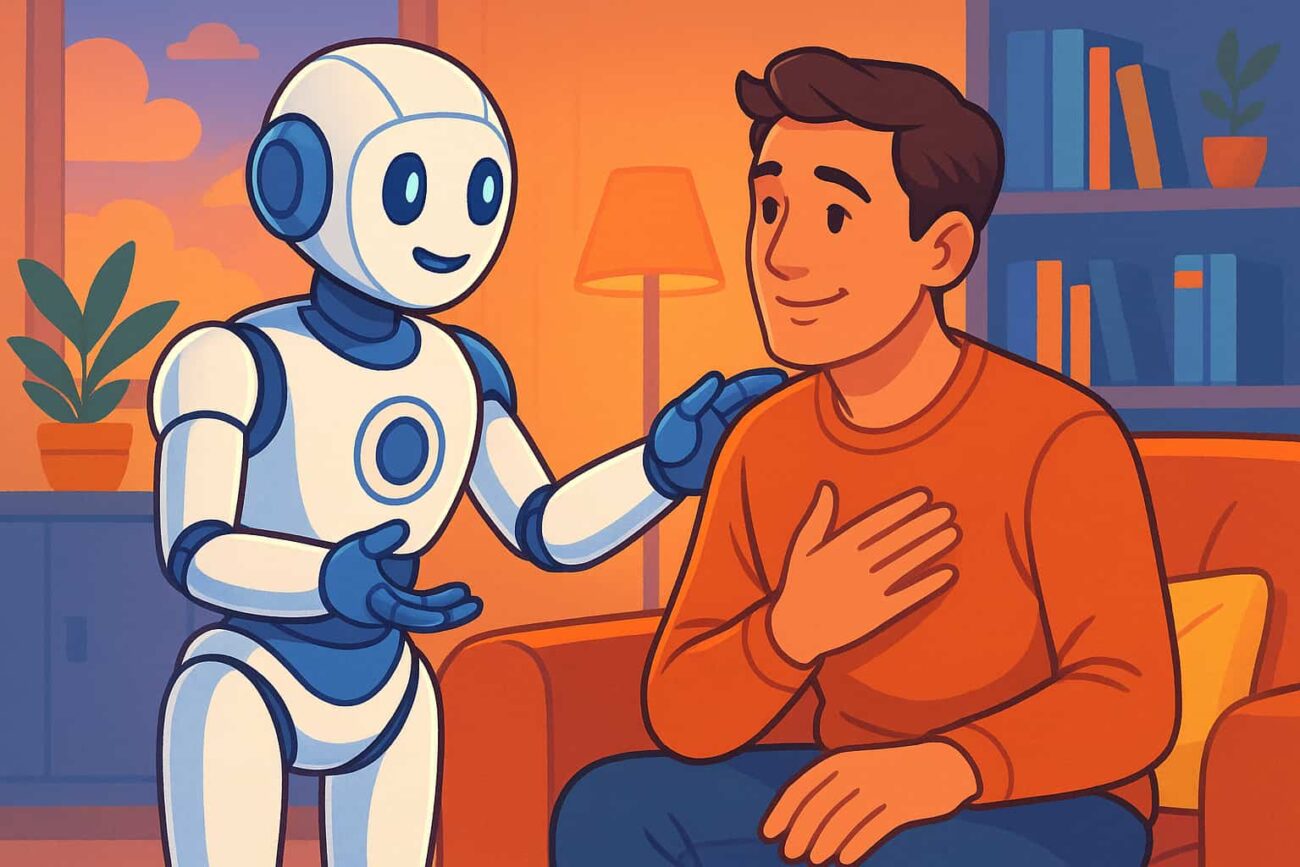
By 2035, how robots help us in our daily lives will go beyond household tasks. Robots will study our emotions, support children’s education, and help older people stay independent. Using artificial intelligence, robots will recognize where you are stressed or sad and give things according to this.
They will also assist with reminders, schedules, and health routines. A robot may remind you to take medication, drink water, or complete your goals, creating a more structured life.
Examples of Robots We Will See by 2035
Many people have already seen some cleaning robots, but in the future there will be more advanced types. These examples of robots will appear in bedrooms, kitchens, hospital fields, and public areas.
Robots in cities will guide tourists, help customers, manage deliveries, and offer emergency support. They will be everywhere, not only inside homes.
By 2035, robots will be part of our daily routines just like our smartphones are today. Instead of just machines, they will feel more like helpers that understand our habits, schedules, and even emotions.
We will start seeing robots in places we never expected. They will be seen at home, workplaces, hospitals, classrooms, malls, and even public transport. Here the thing is simple: save time and make life more comfortable for everyone.
Dangerous robots
One of my favorite movies, Terminator, showed robots are dangerous, but in real life robots are designed to support and protect us. Another example is the movie Eagle Eye, where an AI system tries to make decisions for humans. Even tech billionaire Elon Musk once said that AI is far more dangerous than nukes.
Main Ways Robots Will Help at Home
Robots in the home will help with most of the tiring tasks we deal with every day. Their main agenda is to make life smoother without taking away human freedom.
They will be especially useful for families, and children, creating a home that feels safer, calmer, and more organized.
- Cleaning floors, dusting, and managing laundry
- Preparing meals and organizing groceries
- Tracking medication, reminders, and simple health routines
- Helping children with learning, reading, and daily habits
- Watching over home security, emergencies, and safety alerts
These robots won’t replace family interactions; they will reduce the workload, and then people can spend more time together. Imagine when your robot is cooking food for dinner while another robot entertains your child with educational games. Life becomes lighter when machines take care of the basics.
Benefits and Challenges of Robots in Daily Life
Robots will bring some benefits to our daily lives. They will help people save time, stay healthy, and manage routines with less effort. Especially older-aged people, as robots will support independence by helping with mobility, reminders, and safety.
There are multiple challenges we must handle responsibly. Privacy and overdependence are important concerns that society must prepare for.
- Saves time and reduces stress through automation
- Helps older people and disabled individuals live more independently
- Improves safety with constant monitoring and alerts
- Raises privacy issues due to data collection
- Creates a risk of humans relying too much on machines
These negative and positive points show that robots bring comfort and responsibility.
A More Connected and Intelligent Lifestyle
By 2035, the world will feel more organized as robots will become trusted partners in daily life. They will not control humans like we have seen in sci-fi movies. Instead, they will support homes, protect families, and simplify routines. In that case humans have the power to control robots, and robots only follow our needs.
Final Outlook: A Future Built on Partnership
In my opinion, robots will not replace us soon; they will strengthen human life. Understanding how robots help at home and at work will make this new era easier to accept. With the right commands, robots will become meaningful partners that help us live calmer, smarter, and more efficiently.
This future won’t be scary like Terminator. It will be practical, helpful, and deeply connected to everyday life.
